In The Flow of Time – March 23, 2025
Marie Laveaux was a dancer. That’s for real, but I’ve made that a core element of the character’s personality. I’m working on this chapter, then I think I’ll take a significant break until Part 2 is fully plotted and the muse returns.
The scene is in the public square just outside the French Quarter. Modern day, it’s Congo Square. At the time it had a couple of names, but not that one. I settled on French, Place des Nègres. I have an outstanding first person account of what the Sunday afternoon party looked like. I’ve used this location a couple of times already, it is central to New Orleans culture and to Marie Laveaux’s life. She is reputed to have run the show. She lived less than a block away.
I’m in 1823. The party is still going on every Sunday. But it’s changing. Segregation is about to land. The party has to end by sunset. It used to go into the night. Because… slaves might conspire to revolt in the dark of night. The white people were afraid of their slaves.
Among the changes, Americans are running things, and slaves from the east coast are showing up in New Orleans. New Orleans is becoming the center of the slave trade. You can make better money for your slaves at the auctions here. So slaves from the South are shipped here and sold. In history, this really took off in the 1820s, so the narrative is perfectly positioned for the arrival of American slaves.
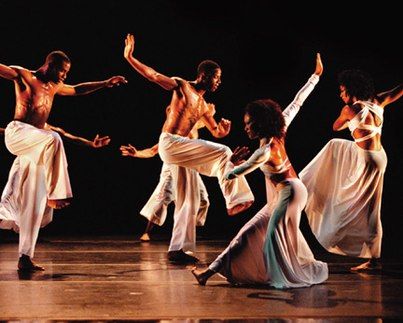
The slave laws in Louisiana were not like the American South. Sunday was a day off. Any slave who was required to work by the master got paid real money. Slaves were allowed to gather on Sunday afternoon. They did. They sang, they danced, they played music. So in the park, I imagine we have “American” slave circles, not just circles from African nations Wolof, Kongo, Bambara, several others.
So off I am to research what might a circle of slaves from South Carolina do for music, song, dance. I revisit information I have on slave songs of the south. That’s good, a lot of spirituals, it’s “blues-ier” than the Creole music, which is more lighthearted. I can work with that. What’s really different are musical instruments.
Southern slaves were not allowed drums. You can send secret signals a LONG way with a drum. The instruments are likely the washboard, the jug. Things you would have around the farm and the kitchen. No drums. That is really different, all the nations/tribes are deep into drums. It’s central to their music and dance. Percussion really matters.
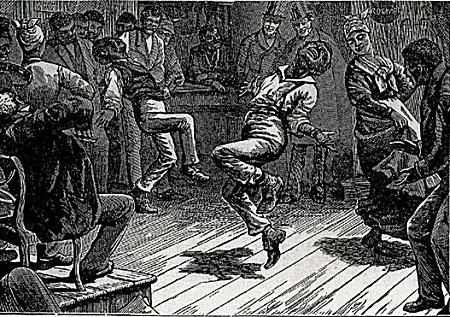
No drums? The Americans used their bodies to establish rhythmic percussion: claps, slaps, on arms, thighs, shoulders, back, stomps. They riffed with the musicians, shouting out the songs, improvising rhythms in both directions – following the musicians, the musicians modifying the melody to match the rhythm of the skin. It is called the juba dance, or “Pattin’ Juba.”
Go see https://en.wikipedia.org/wiki/Juba_dance
Later on, downstream, in the fullness of time, this evolved into tap dancing. I had no idea. In fact, I had a hard time finding video of “traditional” Juba dance. There’s lots of tap dance. If you go hunt, you’ll also see, perhaps, those wonderful “oh how happy the slaves are” pictures of Black people dancing in the sunshine.
Slavery was vicious oppression. It is a testament to the immense scope of their human spirit that they kept on dancing, whatever rules the white man invented. “No drums? No worries. Fuck ‘em, we’re gonna dance.”