In The Flow of Time – August 7, 2024
Underlying the evil of slavery was a very simple belief: slaves are things. Simple? White superiority – or more tellingly, Black inferiority was like the sunrise. It was there, it was always, it was so obvious it was beneath notice. It was water to the fish. It affected everyone, all the time.
My challenge as writer is to lift that veil, to make the invisible oh so painfully visible. I’ve got some ideas, but in this I want to give you a simple example of the water they all swam in.
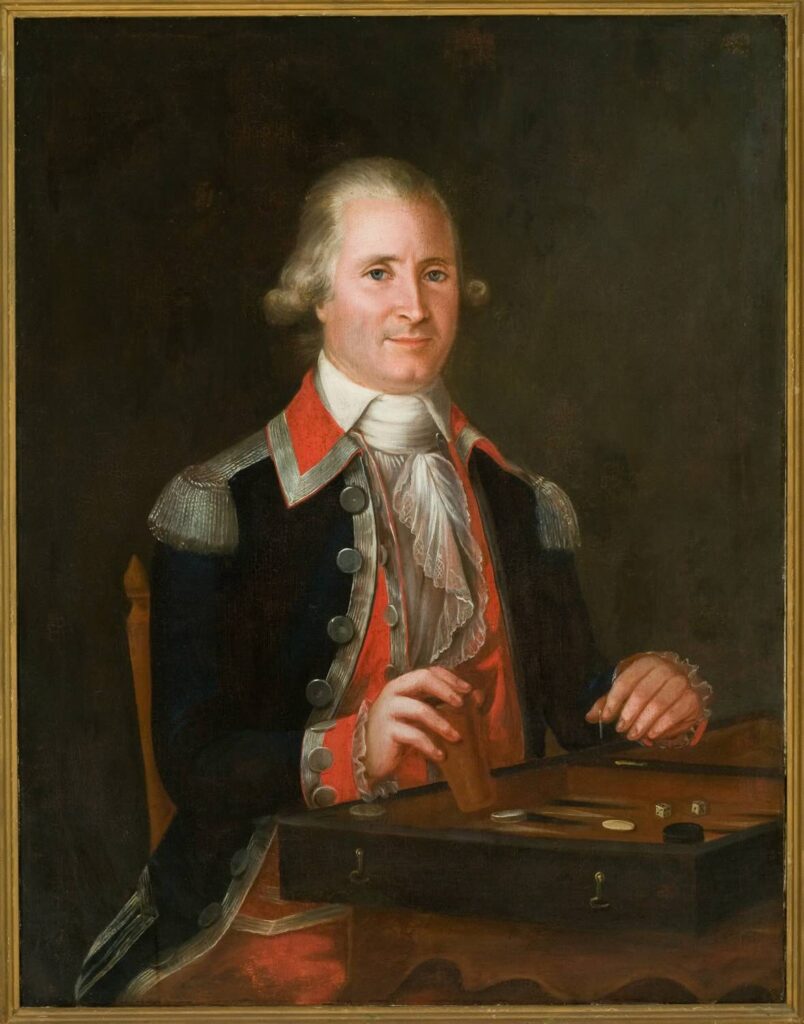
Charles “Don Carlos” Trudeau was a big deal in New Orleans in the early 1800s. He was grandson of one of the first pioneer families. His father had been a rich plantation owner (major slaveholder). His younger brother Zenon was the governor of the northern part of Louisiana, a major fraction of what is now the United States. Zenon also owned a huge sugar plantation, and more slaves than almost anyone. Don Carlos was the official surveyor for all of Louisiana under the Spanish. He had daughters, and most of them married wealthy white men: men who would be or were bank presidents, generals, governors, plantation owners. He himself was at this time on the City Council, it’s Recorder, then it’s President, and ultimately Mayor of New Orleans.
These people were the cream of white society, the pinnacle of all that was as it should be. They were racists. They didn’t think they were racists. They knew there was a natural order. Their ongoing civilizing task was to ensure that the natural order remained in place.
We all see through a modern lens. For issues at the core of my stories, I want primary sources – the writings of the people who lived in that place at that time. It’s highly informative to see the real words of someone who lived at the time, without centuries of polishing in between.
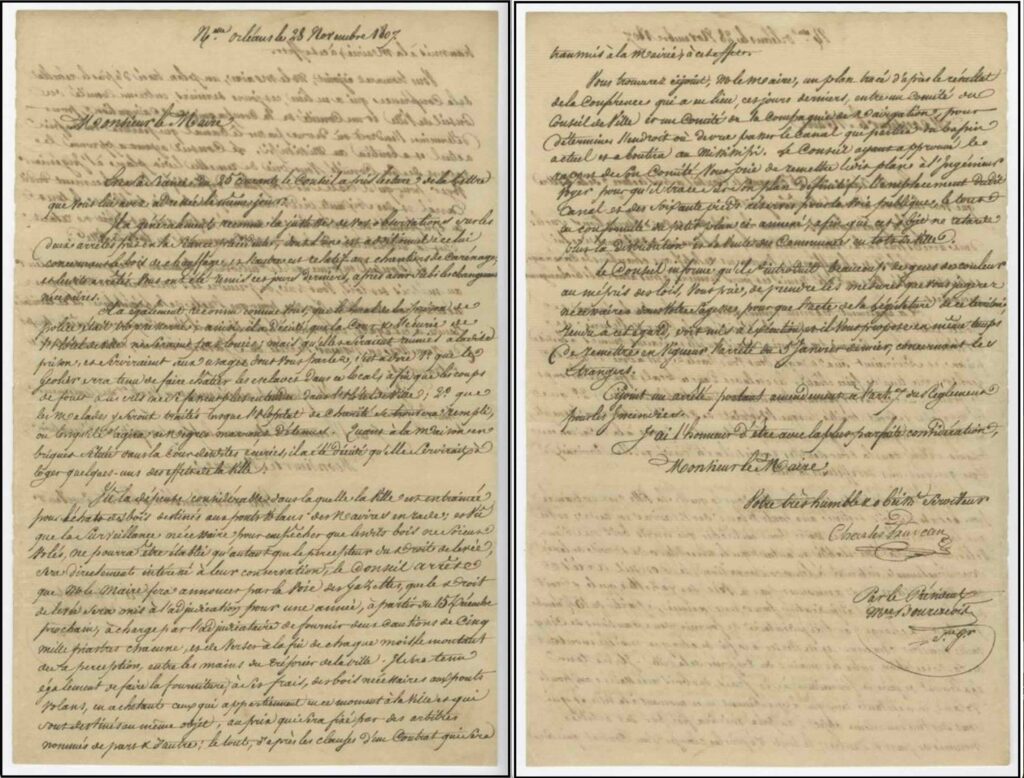
On Saturday November 28, 1807, Charles Trudeau reported to mayor James Mather on Council proceedings from the meeting on the 25th. This is almost absurdly dull. It is the ordinary, every day political paperwork required to run a city. It’s in French, the proper language of the proper people. It was a pretty full agenda (my words):
◊ We reviewed correspondence, other paperwork, submitted new ordinances
◊ We can hear screams from whipped slaves, we need to do something about that
◊ Harbor management
◊ Plans for a canal, after a subcommittee met with the builders
◊ Oh, and we have to do something about the influx of free men of color, it’s against the law
◊ We suggest you vigorously enforce the order of Jan 5 last concerning foreigners
I can’t read all the handwriting, but enough. This is all very proper and formal, worded like, “we ask that you take the measures you judge necessary in your wisdom so that the act of the Legislature of this territory…”
Since my story will start circa 1811, this is outside my timeline. But this, this, reveals the water in which they all swam. From other sources we know that Charles was Marie Laveaux’s grandfather. She was six when he wrote this report. Unlike some others, in the end he never acknowledged either his mistress–a free Black woman–or their sons. And here he is trying to deal with the unpleasantness of slaves being whipped within hearing, and keeping foreigners (read free people of color) out of the city.
The idea that this was morally repugnant never even crosses his mind. It isn’t inhuman, because they aren’t human. They’re things. How about a nice game of backgammon?