In The Flow of Time – August 21, 2025
From 1820s firefighting to hair gel. Yep. I go down a lot of ratholes. It’s 1822.
Marie Laveaux was a hairdresser. In early 19th century New Orleans, that meant house calls. Historically we have zero details, but from period sources we can surmise that she had clients, put them into intricate hairdos, and got paid for her work.
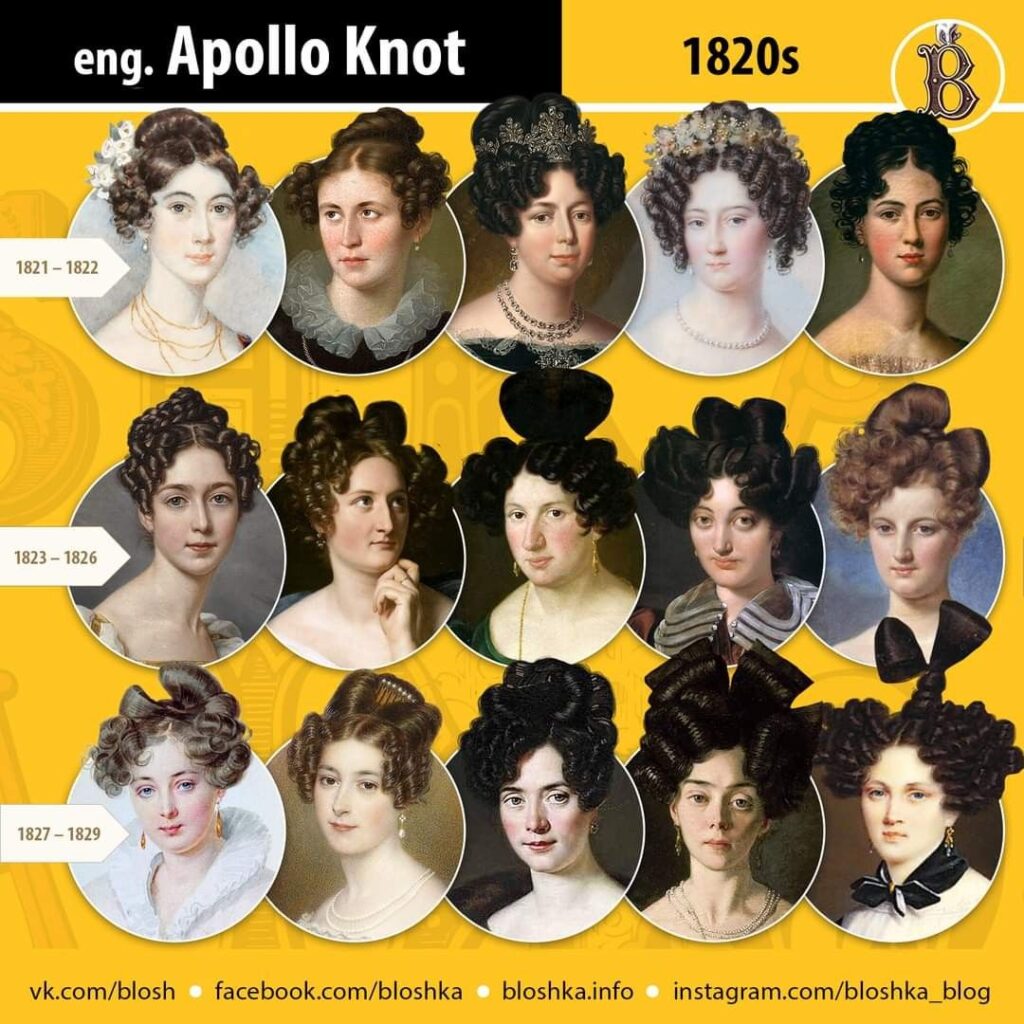
So, your author is a white-haired white guy with vanishing hair. What I know about this world is… nothing. But, what the hell. My protagonist is a young free woman of color in a slave society. Suck it up buttercup, get into it. This isn’t a chapter about hairdressing, but that is the key background element. I need Marie to be with a rich white client, and her daughter. It is almost certain that she used these connections in “high society” to learn about what was going on that might affect her, her family, and her Voudou congregation. So I need to know enough about 1820s hairdressing to make this work.
I started in a document I had already discovered, written by Eliza Ripley, a memoir of her youth in 1840s New Orleans: Social Life in Old New Orleans: Being Recollections of my Girlhood. It’s a wonderful source of the everyday, from a woman’s point of view, including (among a great deal of other topics) hairdressing and pomades. She describes the “dusky Henriette Blondeau” her mother’s hairdresser: what she used, how to make pomades, the hair styles… and this is precisely the nature of the scene I’m going to write: a free woman of color in the home of the rich white folks doing their hair. I just need to move it 20 years earlier in time. (Geekish aside: Blondeau is in the 1842 New Orleans directory, so I know where she lived. Doesn’t matter, she’s not in the story, she’s a reference point, a model for Marie. But… yeah, I know every name in New Orleans in 1842 and where they lived (and 1832, an 1822…)
Ripley’s reminiscence led into recipes (receipts) for various pomades (bear fat, tallow, castor oil, and god knows what else) used to plaster hair in place. And bandoline (a particular kind of pomade), hair pins, combs, curled bangs, hair pads, and how it all worked. Visited a bunch of blogs, most of it Victorian discussing later versions of bandoline made with tree gums. But I found lots of clues on the original, which was based on quince seeds. The word bandoline appears in English in 1846.
And we fall neatly into how I have imagined Marie. She is a naturalist, an herbalist, a healer, she knows plants and what they’re good for, from her grandmother, who learned from her mother, a Choctaw healer.
So, we don’t need chapter and verse, I need enough background on “hair tech” so that the right words or thoughts can flow into the conversation, and I know it’s all plausible. You, as reader, will never know the difference. In this case, I imagine Marie knows she can make a hair gel out of quince seeds, it’s water soluble so relatively easy to wash out when you want, much less greasy and stinky than bear or mutton fat. I know what it smells like, what it feels like. This is a trade secret, 20 years before it becomes widespread knowledge. Which fits her personality and character perfectly. She is a very smart woman with unusual resources. This is in fact pure fiction.
I consider it a badge of some honor that my fellow writers in my critique group cannot tell when I’m making shit up, and when it’s historical. Because the shit I make up has roots deep, deep within historical fact.