In The Flow of Time – February 14 2025
One of my fellow writers made a passing comment on the most recent chapter up for review, in which there is an offhand reference to the plague of mosquitoes. “Didn’t they have fine curtains?”
To the residents of antebellum New Orleans, mosquitoes are a major problem. Figuring out how to get them into the story is my problem. I have reached 1819, and two things happen. First, I have an outstanding period source who describes them. Second, 1819 was especially bad. So… what to do about the nasty little bastards?
There are no window screens. There is an ad in American Farmer in 1822, someone is selling the balance of their stock, including woven wire for window screens and wire safes. Note the word “safe” in this context. There are advertisements for 2-wire screens in 1836. Then, “In 1861 Gilbert, Bennett and Company was manufacturing wire mesh sieves for food processing. An employee realized that the wire cloth could be painted gray and sold as window screens and the product became an immediate success.” So that’s when screens show up, after the Civil War.
My period source for 1819 is Benjamin Latrobe, architect and amateur naturalist. He devotes several pages to mosquitoes, describing four species in some detail. Just the fact that he did that tells you something about how bad these suckers are. They exist in vast numbers.
“A few are found, every warm day through out the year, but from June to the middle of October or beginning of November their swarms are incredible.”
“The mosquitoes are so important a body of enemies that they furnish a considerable part of the conversation of every day and of everybody; they regulate many family arrangements; they prescribe the employment and distribution of time, and most essentially affect the comforts and enjoyments of every individual in the country.“
“…they literally fill the air from sunset to sunrise; and in August and September they are troublesome even in the daytime.”
“Their noise is so loud as to startle a stranger to its daily recurrence. It fills the air, and there is a character of occasional depression and elevation in it, like that of a concert of frogs in a marsh.”
People know the bastards breed in water. Getting rid of cisterns and piping in water, that’s going to help. What no one knows is that they are the vector for yellow fever, the autumnal scourge that plagues New Orleans every year.
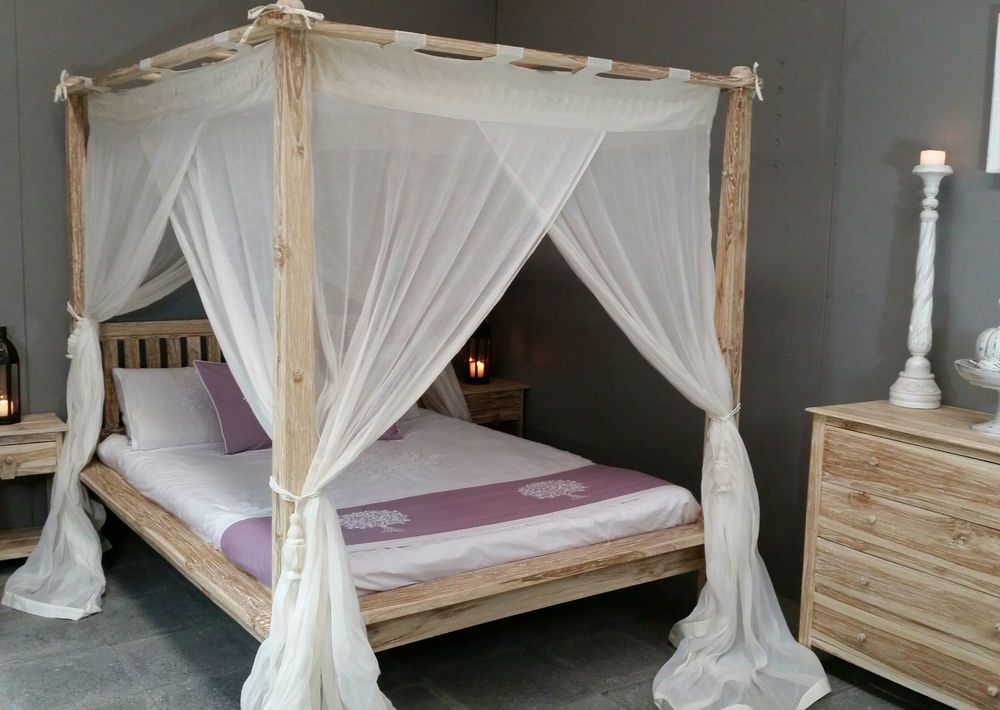
There are mosquito curtains or nets. They drape beds. He even discusses various superior ways to hang them. In offices, a frame may be put around a desk or meeting space, with nets hanging. That was called a “safe.” It isn’t to preserve valuables, it’s to keep you safe from mosquitoes. Someone might put up a safe around a writing desk.
“The best defence during the day are light boots, loose pantaloons, and thin gloves. The face soon becomes accustomed to them, and they are also easily driven off. …I know Creole ladies who with bare necks and bosoms and short petticoats pretend to, or actually do, not perceive harm, and in fact appear to suffer very little from them.”
The locals call nets “mosquito bars.” That’s a good example of a period term I won’t use, it’s too easily misunderstood. Nets, gauze, curtains… all work. I might use “safe,” if the intriguing meaning of the term in this context is obvious.
So, along the way, I drop into the story someone wearing gloves in August, a mention of the twilight mosquito chorus, the whine and buzz. If there is a bed scene, the nets. A meeting in an office at the right time of year? Yeah, I can do that. It’s just background.
But that’s the kind of “ain’t that odd” fact that makes it all real.